What Is an IP Address?
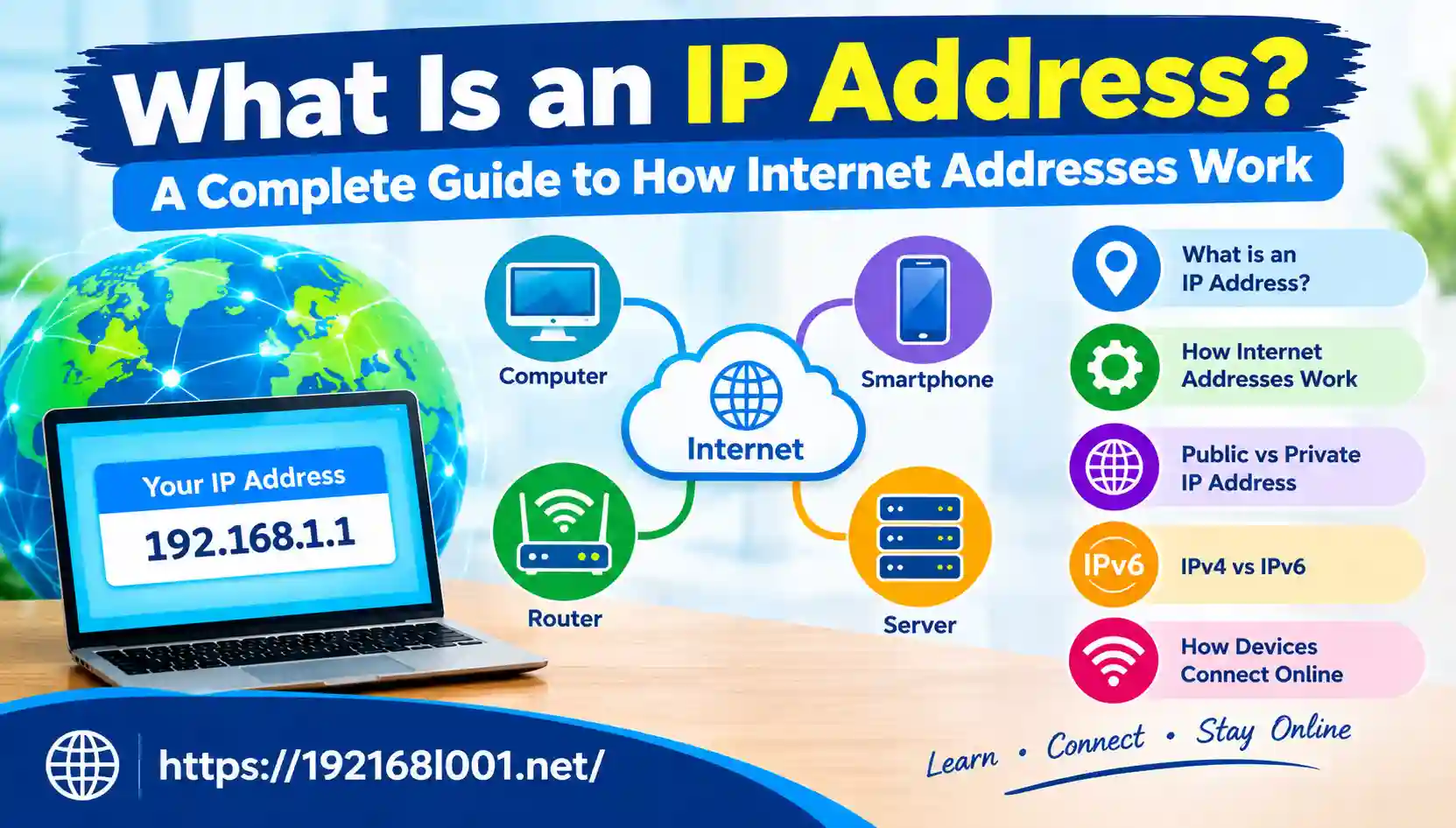
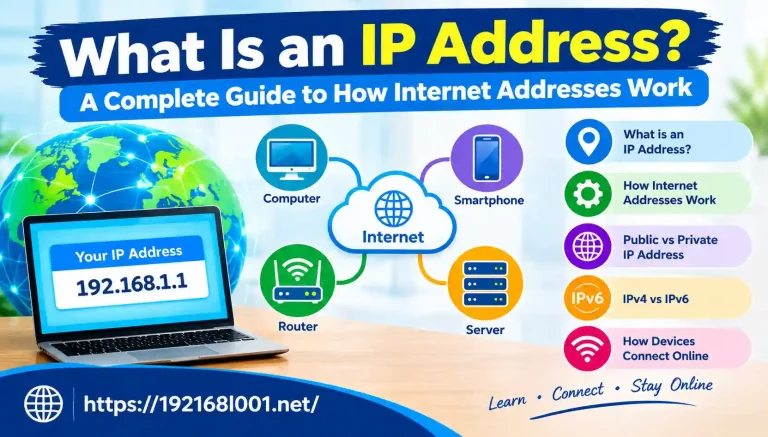
What Is an IP Address? A Complete Guide to How Internet Addresses Work
What if you were to send a letter but forgot to include the recipient’s address? It would never reach the right person. This is the same concept for the internet. For each device linked to a network, an IP address is the identification used to send and receive information.
One of the most essential components of modern networking, it enables computers, smartphones, servers and other connected devices to communicate information accurately over the internet and local networks. Without IP addresses, websites would not open, online games would not be played and everybody communicating over the digital channels would break down.
This guide covers: What is an IP address and how do IP addresses work? Finding IPv4 vs IPv6 IP Addresses. Types of IP Address Used by Your Devices. Why They Matter For Internet Security.
What Is an IP Address?
An IP address is a unique identifier for a connected device on a network and a location-based address that enables communication between computers over the internet. It identifies the device and enables it to send and receive data through the internet or a private network.
To put it in simple terms, an IP address is a digital summer home. An IP address is like a postal address; it tells the internet where to deliver information.
Any device that connects to a network can have an IP address, including:
- Computers and laptops
- Smartphones and tablets
- Smart TVs
- Gaming consoles
- Network printers
- Web servers
- Routers
So when you visit a site, your device connects to the website’s server using its IP address. Your device sends the request to the server and the server responds with the data you requested, using exactly this way of network communication.
Take the case of searching a site; your browser does not randomly connect anywhere. This identifies the appropriate server and transmits data via IP addresses.
How Does an IP Address Work?
The Internet Protocol is a set of rules that defines how devices communicate across networks.
When you connect your device to the internet, your Internet Service Provider (ISP) assigns an IP address or uses DHCP based on your network. Your router handles communication between your devices and the internet.
These are the common process steps and it could take place like this:
Device Connects to a Network
When your laptop or smartphone connects to Wi-Fi, it gets assigned a private IP by the router.
For example:
192.168.1.20
It helps devices within your home network to talk to each other.
Router Connects to the Internet
The router is connected to a public IP address from your ISP provider.
Example:
203.0.113.50
The public address represents all the devices on your network that are connected to the internet.
Data Travels Between Devices
When you can open a website, your request goes through many ways in the network until it reaches the server that hosts it. The server returns the requested data to your device.
The entire entity of this communication can be understood with the help of IP addresses.
Types of IP Addresses Explained
IP Addresses are categorized as per their usage and purpose. These types provide the foundation to understand how networks work.
Your Internet Identity: Public IP Address
A public IP address is what your Internet Service Provider assigns to your home network. It traces your identity across the entire internet.
Public IP addresses need to be globally unique, unlike private IP addresses. They connect all the devices inside a Local Area Network (LAN) and link to each other through network switches.
Similar to your public IP address, when you visit a website, it sees your public IP address. However, it often cannot directly see the private IP addresses of devices within your home network.
Public IP addresses are generally referred to:
- Home internet connections
- Business networks
- Website hosting servers
- Online services
Private IP Address: Internal Communication on a Network
The private IP address is used to communicate over a local network, such as your home Wi-Fi or office network. In addition, your router assigns a private IP address to each device connected to your home/office network.
Examples include:
- 192.168.1.5
- 192.168.0.15
- 10.0.0.25
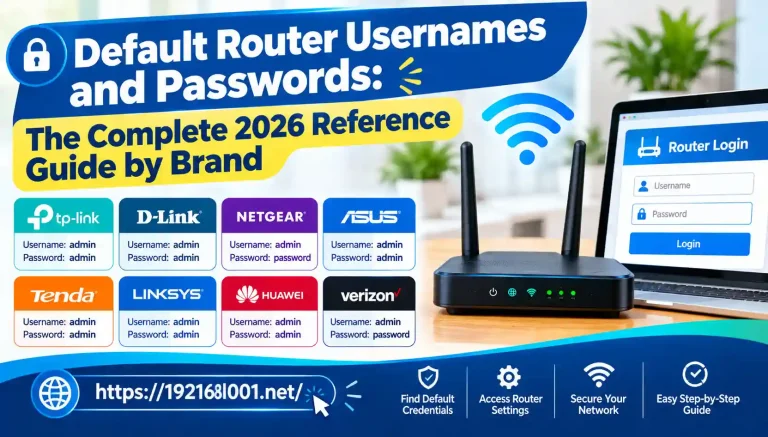
- 192.168.l00.1
Private IP addresses enable devices in the same network to communicate with each other without requiring a separate public address.
To give an example, your smartphone connects to a remote printer utilizing private IP addresses, all without going to the web.
Static IP Address: A Permanent Network Address
Static IP addresses are addresses that never change. It is statically assigned or reserved for a specific interface.
Static IP addresses are used when a device should be in the same place on a network.
They are commonly used for:
- Web servers
- Email servers
- Security cameras
- Business networks
- Remote access systems
You can use these static IP Addresses in companies where they host their own server so users always connect to the same location.
How to Find Your IP Address
Getting your IP address is easy.
Finding Your Public IP Address
You can search:
“What is my IP address” and online resources will show you your public IP.
Finding Your Private IP Address on Windows
Open Command Prompt.
Type:
- ipconfig
- Press Enter.
Your IPv4 address will be shown in the network info.
Finding IP Address on Smartphones
On Android and iPhone devices:
- Open Wi-Fi settings.
- Select your connected network.
- Check the network details.
Does an IP Address Change?
yes, IP address has the ability to change counts on what type of address you have.
Changing Dynamic IP addresses are likely to change when:
- You restart your router
- Your ISP renews your connection
- You switch networks
- A static IP address does not change, and must be manually configured.
- Mobile devices also differ too often in IPaddress when connecting to wi-fi or mobile data.
IP Addresses and Online Privacy
Even though IP addresses are vital for successful internet communication, they could also pose a threat to privacy.
IP addresses might be used by websites or web services to:
- Estimate user location
- Customize content
- Detect unusual activity
- Prevent fraud
This is the reason behind many users using VPN services and other tools for better privacy. VPN masks your original IP and directs you through another server. But, a VPN is not an anonymity tool it does mask your IP address but not eliminate it. Secure passwords, basic security practices and cautious browsing habits are still relevant.
Conclusion: The Internet’s Digital Address
IP address is the backbone of modern communication over Internet. It serves as a digital identity that other devices can use to locate and communicate over networks. No matter if either you are using websites, streaming videos, playing online games or managing a business network, IPs make everything work behind the scenes.
Knowing what is an IP address, how those public and private IPaddresses work, or the similarities and differences between IPv41and IPv6will help you understand more about the technology behind our nearly connected world. Although, number of IP address will remain a decisive part of global communication and networking as IPv6 deployment grows with the pace at which more devices are coming online now days.