Default Router Usernames and Passwords
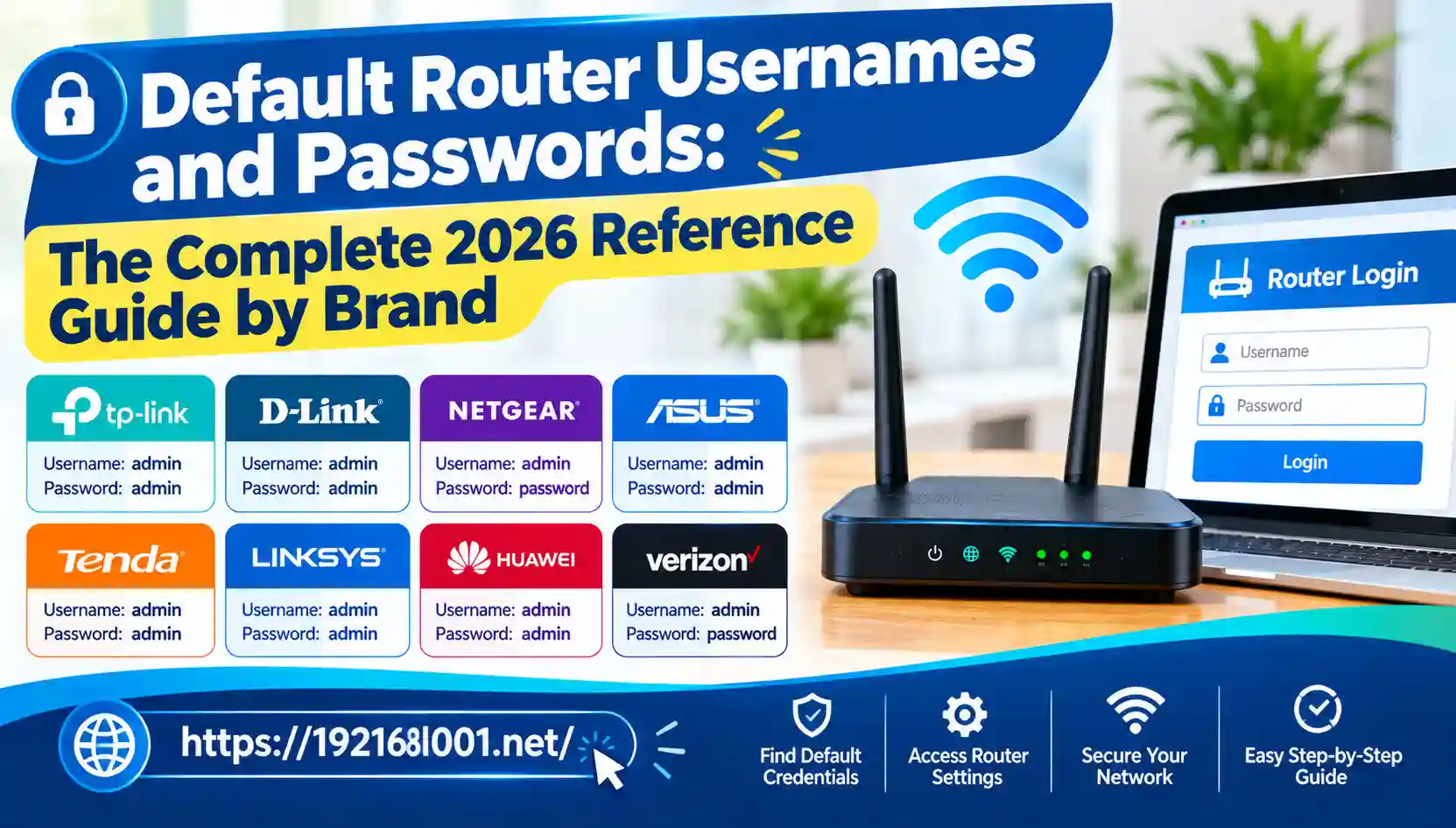
Default Router Usernames and Passwords: The Complete 2026 Reference Guide by Brand
At that very moment when you access is denied, the router password forgotten, you can’t change the WiFi settings, improve security or fix network problems. Each router brand has its own set of default login credentials, and if you know the right username & password it will save very good time during installation, troubleshooting or configuration.
Default router usernames and passwords — Factory settings set up by manufacturers to aid users accessing the router administration panel for the first time. But these credentials differ from one brand to another, for example — TP-Link, Netgear, ASUS, Linksys (now acquired by Belkin), D-Link, Huawei, ZTE and many more.
In this 2026 router reference, you will find common default login credentials by brand, how to get to your router admin page, why default passwords are dangerous, and the best security practices for securing your home or business network.
What Are Default Router Usernames and Passwords?
The login credentials provide includes router username and password required to access the control panel of a router. This utility helps to administrate crucial network settings, like:
- WiFi name (SSID)
- Wireless password
- Security settings
- Connected devices
- Parental controls
- Firmware updates
- Internet configuration
- Bandwidth management
Manufacturers of routers may include printed login credentials on a label attached to the device itself or supplied within the user manual.
Some older routers, for instance, employ less sophisticated combinations like:
- Username: admin
- Password: admin
or:
- Username: admin
- Password: password
However, these days the router will come with a unique password printed on their label for extra security.
How to Access Your Router Login Page in 2026
You have to visit the admin login page of your router before entering a username and password. Default Router Usernames and Passwords can help you access your router admin panel.
Internally to most routers, a private IP:
or:
192.168.0.1
Some brands also use:
10.0.0.1
To access the login page:
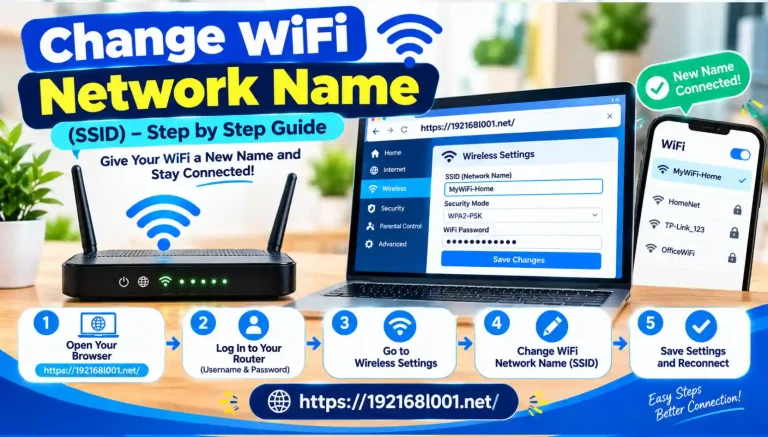
- Set up a computer or smartphone to connect to the WiFi of your router.
- Open a web browser.
- Type in the Router IP Address into the address bar.
- Type in the default username and password.
- Access the router administration dashboard.
If after using this combination still the login page does not open, your router is working with gateway address that can be different.
Default passwords and usernames by router brand
Router login details different from manufacturer to model. Some default credentials for common brands of routers are listed below. Default Router Usernames and Passwords vary by brand and router model.
TP-Link Default Router Login
TP-Link is one of the most used networking brands across the globe. A lot of TP-Link routers come with factory credentials that are well known.
Common defaults:
- IP Address
- 192.168.0.1
or
- 192.168.1.1
Username:
- admin
Password:
- admin
On the other hand, newer TP-Link models might force users to set an administrator password during the configuration stage rather than giving them a universal default password.
Some popular TP-Link models are their Archer series routers which are extremely popular when it comes to home broadband connections.
NetGear Router User and Password
Netgear devices are known for their formulation in homes, and businesses with better wireless features they offer. Default Router Usernames and Passwords are often listed on the router label or manual.
Common Netgear login details:
Router Address:
- 192.168.1.1
or:
- routerlogin.net
Username:
- admin
Password:
- password
Netgear suggests that default credentials should be changed right after the setup process since routers with factory passwords are usually primary targets for attackers.
Why You Should Change Default Router Passwords
Router Password What makes a router password default convenient is that the router settings can be completed right out of the box.
In many cases, attackers find routers with factory credentials by scanning the internet. If they do gain access, they will be able to:
- Change WiFi settings
- Monitor network activity
- Redirect users to malicious websites
- Install unwanted software
- Access connected devices
One of the simplest ways to harden network security is to change your router.
Your router password should adhere to the following principles:
- Uppercase letters
- Lowercase letters
- Numbers
- Special characters
- At least 12 characters
Frequently used passwords:
- admin123
- password123
- wifi2026
What To Do If Default Router Login Does Not Work
The default username and password sometimes do not work. This usually happens because:
- The password was changed previously.
- The router was customized by the internet provider.
- Credentials are different for the router firmware.
- The device was reset incorrectly.
Try these solutions
Check the Router Label
Some routers have the default login details written on a sticker found either under or behind them.
Look for:
- Admin password
- Web login
- Username
- Access key
Check the User Manual
Default credentials are often provided in the manufacturer manual.
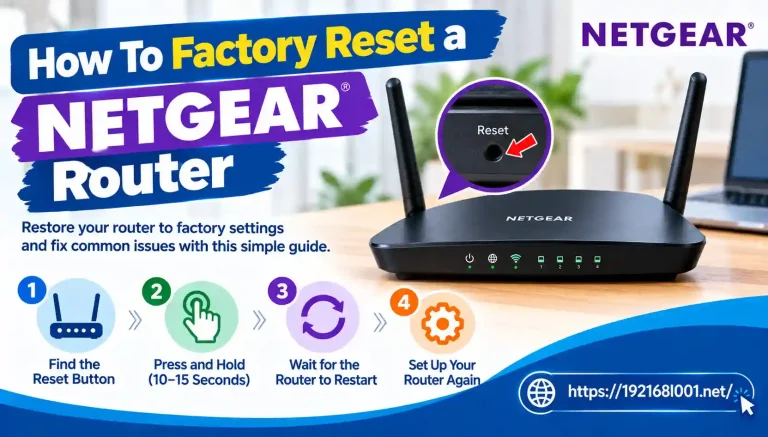
Reset the Router
You could get the password back if save it, and If you can’t then factory reset may restore default settings.
To reset:
- Locate the reset button.
- Now, press & hold it for 10–15 seconds.
- At this point, you need to give the router time so that it can reboot.
- Configure the network again.
Bear in mind that resetting will lose custom settings such as the WiFi names, passwords and ISP configurations.
Conclusion
Default router user names and passwords are convenient for getting into your device for the first time, but they should never be left untouched for long. Regardless of whether you own a TP-Link, Netgear, ASUS, Linksys, Huawei, ZTE or any other brand of enim ad minim dolore eu fugiat nulla pariatur. Default Router Usernames and Passwords should be changed to improve network security.
Even if your data is on a local machine, such as a NAS at home or encrypted and safe storage in an office in 2026, you can’t avoid patching up this attack vector anymore nearly every house and company relies on connected devices today. And always make sure to check the right router IP address, update firmware frequently and set a secure personalized password instead of static factory credentials.
Taking a few minutes to boost the security of your router can better secure your network and improve your overall digital life.